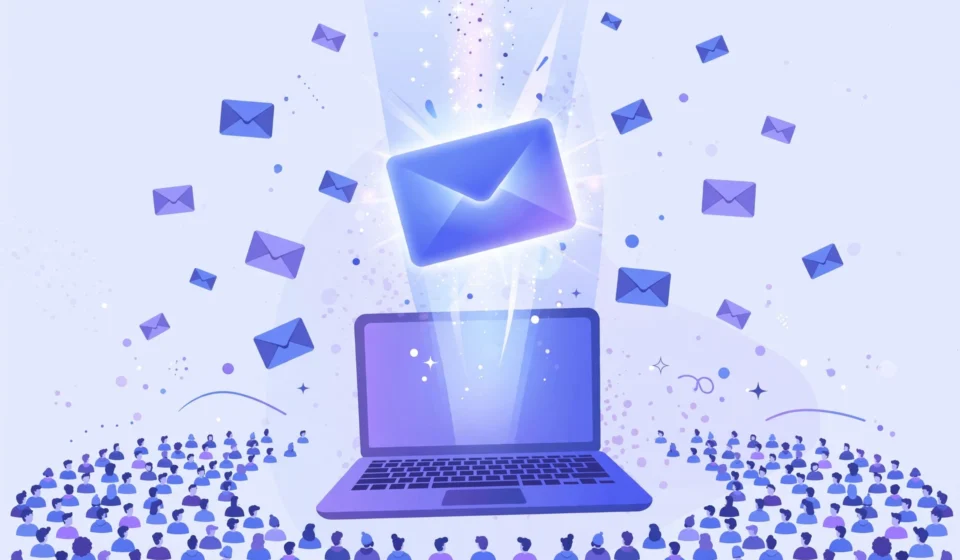

If there is one asset every experienced blogger wishes they had built sooner, it is an email list. Search rankings fluctuate, social media algorithms change overnight, but an email list is yours. Nobody can take it away, and every subscriber on it chose to hear from you. That direct line to your readers is why email remains the highest-converting channel most bloggers have.
Yet many beginners treat email as an afterthought. They publish for a year, gather a trickle of RSS followers, and only then realize they have no way to reach the thousands of people who visited and left. The good news is that it is never too late to start — and you do not need a big budget or a large audience to build a list that matters.
This guide walks you through exactly how to build an email list for your blog from scratch: choosing the right email service, creating irresistible signup incentives, placing forms where they convert, and keeping subscribers engaged long after they join.
Why Every Blog Needs an Email List
Before the how, the why. An email list gives your blog three things no other channel reliably provides:
- Ownership: Your subscribers cannot be wiped out by an algorithm update. You control the list, and you can reach it whenever you want.
- Consistent traffic: Every time you publish, you can send one email and guarantee a baseline of readers. No more hoping Google or social media sends traffic your way.
- Deeper relationships: Email is personal. Subscribers read your messages in their inbox — the most private digital space there is — which builds trust far faster than a social media follow.
Bloggers who neglect email are effectively renting their audience from Google and social platforms. Bloggers with a list own it. That difference compounds every single month.
Step 1: Choose an Email Service Provider
Your first decision is which email tool to use. The right choice depends on your list size and budget, but these qualities matter most:
- Free or affordable starter plan: Most bloggers begin with a free tier and upgrade as the list grows.
- Easy signup forms: You need clean, customizable forms and popups without touching code.
- Automation basics: Welcome sequences and simple automation save enormous time as your list scales.
- Good deliverability: Your emails need to land in inboxes, not spam folders. Established providers handle this far better than self-hosted scripts.
- Clear analytics: Open rates and click rates tell you what is working, so pick a tool that reports them plainly.
Start with a reputable provider rather than a homemade solution. Deliverability is a technical problem you do not want to solve yourself. The WordPress support documentation also covers newsletter plugins that connect your blog to popular email services, which can simplify the whole setup.
Step 2: Create a Lead Magnet People Actually Want
Nobody hands over their email address for “our newsletter.” People subscribe for something specific and valuable. That something is your lead magnet — a free resource offered in exchange for an email address.
Strong lead magnets share these traits:
- Specific: “50 Blog Post Headline Templates” beats “blogging tips.” Specificity makes the value obvious.
- Immediately useful: Checklists, templates, cheat sheets, and short guides work best because readers can apply them right away.
- Fast to consume: A 5-page PDF that solves one problem outperforms a 100-page ebook nobody finishes.
- Relevant to your content: Your lead magnet should attract exactly the readers your blog serves. A generic freebie builds a generic list that never engages.
Ideas that consistently work for bloggers: a printable checklist, a template pack, a short email course, an exclusive resource library, or a “best of” compilation of your most popular posts. Create one strong lead magnet before you worry about a second.
Step 3: Place Signup Forms Where They Convert
Where your forms appear matters as much as what they offer. These placements reliably outperform the rest:
- Inline forms inside articles: A form embedded mid-post or at the end of a relevant article converts well because the reader is already engaged with your content.
- The sidebar: A classic spot. It will not win any conversion awards, but it is always visible and requires zero effort from the reader.
- Exit-intent popups: Popups that appear when a visitor is about to leave catch people who would otherwise vanish forever. Keep them tasteful and easy to close.
- A dedicated landing page: A simple page focused entirely on your lead magnet, with no navigation distractions, is perfect for sharing on social media and in guest posts.
- Content upgrades: A bonus resource tied to a specific article — for example, a PDF version of the post or a worksheet — converts at very high rates because the offer matches the exact topic the reader cares about.
Test different placements over time. What works for one blog’s audience may flop for another, and small changes in form copy can shift conversion rates dramatically.
Step 4: Send a Welcome Sequence
The moment someone subscribes is when they are most interested in you. Do not waste it with a single “thanks for subscribing” email. A welcome sequence — a short series of automated emails — sets the tone for the whole relationship.
A simple, effective welcome sequence looks like this:
- Email 1 (immediately): Deliver the lead magnet, introduce yourself briefly, and tell subscribers what to expect.
- Email 2 (day 2): Share your story — why you started the blog and what readers gain from following it.
- Email 3 (day 4): Point them to your best content. Link to three to five of your strongest articles so new subscribers see your best work first.
- Email 4 (day 7): Ask a question. Invite a reply — “What is your biggest struggle with [topic]?” — and actually respond. Replies build real relationships and improve deliverability.
This sequence runs on autopilot for every new subscriber, which means your list starts building trust while you sleep.

Step 5: Keep Subscribers Engaged
Building the list is only half the job. An unengaged list decays fast. These habits keep your subscribers opening:
- Be consistent: Pick a schedule — weekly, biweekly, monthly — and stick to it. Consistency trains subscribers to expect and open your emails.
- Write like a person: The best newsletters read like a note from a friend, not a press release. Use “I” and “you,” tell stories, and have opinions.
- Give more than you ask: Every email should deliver value on its own. Promote sparingly; if most of your emails are useful, subscribers will forgive the occasional pitch.
- Segment when it makes sense: As your list grows, separate subscribers by interest or behavior. A short survey or a simple link-click tag is enough to start.
- Prune cold subscribers: Subscribers who have not opened anything in months hurt your deliverability. A gentle re-engagement email, followed by removal, keeps your list healthy.
Common Email List Mistakes to Avoid
Waiting Until You Have Traffic
The best time to start your list is before you need it. Even ten visitors a day adds up. Bloggers who wait until they are “big enough” always regret the months of lost subscribers.
Offering Nothing in Exchange
A bare “subscribe to my newsletter” box converts poorly. Pair every form with a clear reason to join — your lead magnet, exclusive content, or a genuinely useful regular email.
Buying Email Lists
Never do this. Purchased lists are full of dead addresses and people who never asked to hear from you. They destroy deliverability, violate anti-spam laws, and produce zero real engagement.
Emailing Sporadically
Sending five emails in a week and then disappearing for three months trains subscribers to forget you — or mark you as spam. A steady, predictable rhythm wins.
Frequently Asked Questions
How many subscribers do I need for an email list to matter?
Fewer than you think. A list of 500 engaged subscribers who open your emails beats a list of 10,000 who ignore them. Start building now; engagement matters far more than raw numbers.
Is email marketing free for beginners?
Most major email services offer free plans up to a certain number of subscribers, which is plenty to get started. Costs only become meaningful once your list grows large enough to justify them.
How often should I email my list?
Consistency matters more than frequency. Once a week is the sweet spot for most bloggers — frequent enough to stay relevant, spaced enough to avoid fatigue. Whatever you choose, set expectations at signup and keep them.
What should I write about in my newsletter?
Share your new posts, yes — but add exclusive value: behind-the-scenes notes, extra tips, personal stories, and curated links. Give subscribers a reason to open that goes beyond what is already on your blog.
How do I get my first 100 subscribers?
Combine every lever: a strong lead magnet, visible signup forms, a dedicated landing page shared on social media, and contributions like guest posting for bloggers that point new audiences to your signup page. The first hundred are the slowest; momentum builds from there.
Final Thoughts
Learning how to build an email list for your blog is one of the highest-leverage things you can do as a blogger. Choose a solid email service, create one irresistible lead magnet, place your forms where readers can find them, and nurture every subscriber with genuinely useful emails.
Start today, even if your blog is brand new. Every day you wait is a day of visitors you will never get back. Set up your first form this week, and future-you — the blogger with a thriving list of loyal readers — will be glad you did.



[…] Referral subscribers: A single guest post on a popular blog can send dozens or even hundreds of new email subscribers your way — which is why it pairs so well with our guide on how to build an email list for your blog. […]