
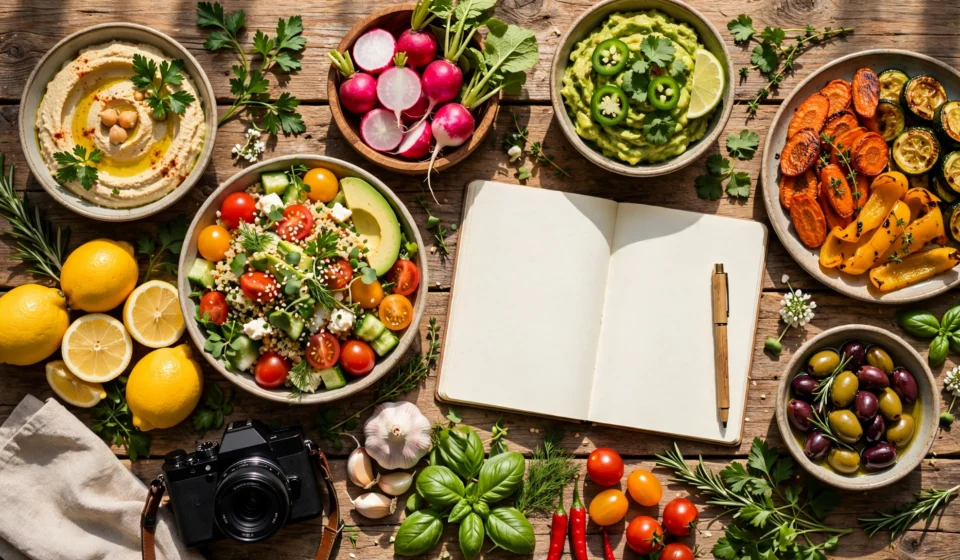

A food blog is one of the most rewarding types of blogs you can start. You get to cook what you love, photograph beautiful dishes, share recipes with thousands of readers, and — if you play it right — turn your kitchen hobby into a real income stream. Food blogs have been thriving for over a decade, and despite what skeptics say, they are not going anywhere. People will always need to eat, and they will always search for recipes, restaurant inspiration, and cooking guidance.
But here is what separates successful food bloggers from the ones who quit after three months: the winners treat it like a real project from day one. They pick a clear niche, publish consistently, learn food photography, understand recipe SEO, and build an audience on multiple platforms. In this guide, you will learn exactly how to start a food blog and grow it the smart way — from choosing your angle to monetizing your traffic.
Why Start a Food Blog?
Before diving into the how, let us talk about the why. A food blog is not just a recipe diary. Done well, it becomes a personal brand, a creative outlet, and a business asset. Here are the main reasons people start food blogs:
- Share your passion: turn your love of cooking into content that helps others
- Build an audience: food content performs exceptionally well on search and social media
- Earn income: through ads, affiliate links, sponsored posts, and digital products
- Open doors: successful food bloggers land cookbook deals, brand partnerships, and media features
- Document your journey: your blog becomes a searchable archive of your best recipes
The food niche is competitive, which is actually good news — it proves the demand is real and the monetization works. You do not need to be the biggest food blog. You need to be the most useful one for your specific audience.
Step 1: Choose Your Food Blog Niche
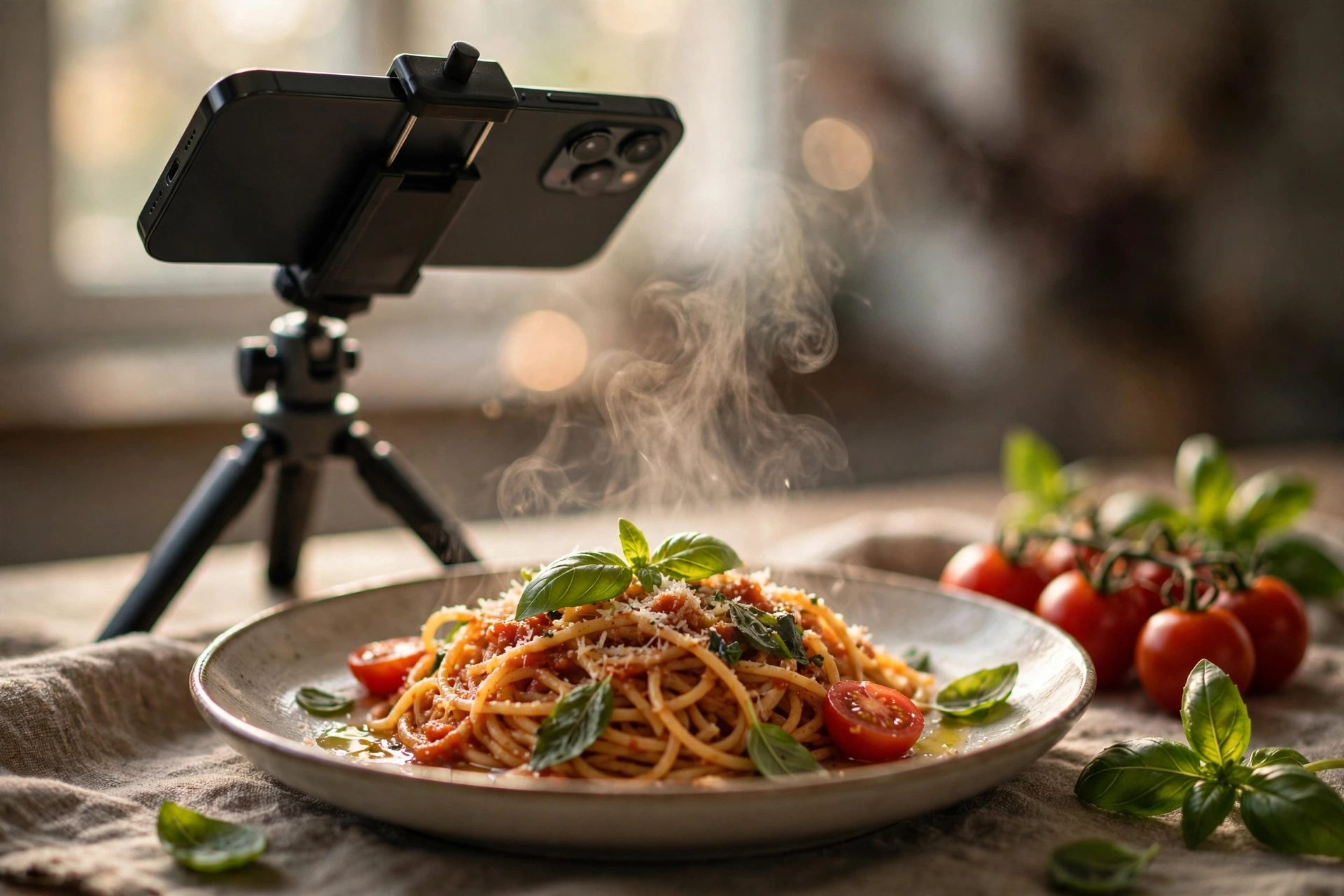
“Food” is too broad. The most successful food blogs own a specific corner of the kitchen. Niching down helps you rank in Google faster, attract a loyal audience, and stand out from the thousands of general recipe sites.
Popular food blog niches include:
- Cuisine-specific: Italian, Thai, Mexican, Indian, or regional cooking
- Diet-specific: vegan, keto, gluten-free, high-protein, or paleo
- Meal-type: 30-minute dinners, meal prep, desserts, baking, or breakfasts
- Lifestyle: budget cooking, family meals, college cooking, or healthy eating
- Technique: grilling, air fryer recipes, sourdough, or fermentation
Pick a niche you genuinely enjoy cooking, because you will be making these dishes weekly for years. Then validate it: search your niche keywords in a keyword research tool and confirm there is real search volume with achievable competition. The official WordPress.com guide to starting a successful blog is an excellent companion resource for the technical setup side of this process.
Step 2: Set Up Your Food Blog
You do not need expensive equipment to start. Here is the minimum viable setup:
- A domain name: short, memorable, and related to your niche (for example, thecrispycarrot.com for a vegan blog)
- Reliable hosting: fast loading matters for both readers and Google rankings
- WordPress: the platform most serious food bloggers use, thanks to recipe plugins and SEO tools
- A clean theme: pick a fast, mobile-friendly theme with good food-blog layouts
- Essential plugins: an SEO plugin like Rank Math, a recipe card plugin for structured data, and an image optimization plugin
Recipe card plugins deserve special attention. They add structured data (schema markup) to your recipes, which is what makes Google show star ratings, cook times, and calorie counts in search results. Those rich snippets dramatically increase your click-through rate, so install one from the start.
Step 3: Learn Basic Food Photography
Here is an uncomfortable truth about food blogging: your photos matter more than your recipes in the beginning. Readers decide whether to try a recipe based on the photo, and Pinterest and Google both reward beautiful images. You do not need a professional camera — modern smartphones take excellent food photos — but you do need to learn the basics.
Food photography fundamentals every food blogger should know:
- Use natural light: shoot near a window, never with harsh overhead kitchen lights or flash
- Style simply: a clean background, one or two props, and the dish as the hero
- Shoot multiple angles: overhead flat-lays and 45-degree shots cover most dishes well
- Edit consistently: develop a light, bright editing style so your blog looks cohesive
- Capture process shots: step-by-step photos make recipes easier to follow and more trustworthy
Practice by photographing every meal you cook for a month. By the end, you will have a portfolio of images and a much better eye for styling.
Step 4: Write Recipes Readers Can Actually Follow
Great food blog writing has two jobs: rank in Google and get cooked in real kitchens. The recipe itself must be precise, but the post around it needs to be helpful and skimmable.
Structure every recipe post like this:
- Intro (2–3 short paragraphs): what the dish is, why readers will love it, and your personal connection to it
- Why this recipe works: 3–5 bullet points on what makes it special
- Ingredients with notes: explain substitutions and key ingredients
- Step-by-step instructions: numbered, clear, with process photos where helpful
- Tips and variations: storage, make-ahead, and swap ideas
- The recipe card: the printable, structured-data version at the end
- FAQ: answer common questions about the recipe
Write ingredient quantities in both metric and US measurements when you can — it instantly doubles your potential audience. And always test a recipe at least twice before publishing. Nothing destroys trust faster than a recipe that does not work.
Step 5: Master Food Blog SEO
Search traffic is the lifeblood of most food blogs. Pinterest helps, social media helps, but Google sends the consistent, compounding traffic that builds a business. Food SEO has a few niche-specific quirks worth knowing.
Key SEO practices for food bloggers:
- Target one keyword per post: usually “[dish name] recipe” or a variation
- Use descriptive headings: H2s like “Ingredients,” “Instructions,” and “Tips” help Google understand the structure
- Write helpful content above the recipe card: Google rewards posts that genuinely help, not just the card alone
- Optimize images: descriptive file names and alt text (for example, “creamy-garlic-pasta.jpg”)
- Build topical authority: publish clusters of related recipes so Google sees you as an expert in your niche
- Keep content fresh: update old recipes with new photos and notes; refreshed posts often rank higher
One more thing: site speed matters enormously for food blogs because they are image-heavy. Compress every image before uploading, use lazy loading, and consider a CDN. A slow food blog bleeds both readers and rankings.
Step 6: Promote on Pinterest and Social Media
Food content is visual, which makes Pinterest the single most powerful traffic source for new food bloggers. Pinterest works like a visual search engine — pins you publish today can drive traffic for years. Create 2–3 attractive pins per recipe post, use keyword-rich descriptions, and pin consistently.
Beyond Pinterest:
- Instagram: great for behind-the-scenes content, reels of the cooking process, and community building
- TikTok/Shorts: short recipe videos can go viral and funnel viewers to your blog
- Email list: start collecting emails from day one; it is the only audience you truly own
- Facebook groups: join cooking communities in your niche and share genuinely helpful content
Do not try to be everywhere at once. Master Pinterest first, then add one more platform once you have a system.
Step 7: Monetize Your Food Blog
Once traffic starts growing, monetization options open up. Most food bloggers combine several income streams:
- Display ads: networks like Mediavine or Journey pay per thousand pageviews; this becomes significant at 50,000+ monthly sessions
- Affiliate marketing: recommend kitchen tools and ingredients you actually use, earning a commission on sales
- Sponsored posts: brands pay for recipe features once your audience is sizable
- Digital products: ebooks, meal plans, and cooking courses have the highest profit margins
- Freelance services: food photography, recipe development, and writing for other publications
Be patient with monetization. Focus on traffic and trust first; the income follows. And always disclose affiliate links and sponsorships — it is legally required in most countries and it builds reader trust.
Common Food Blog Mistakes to Avoid
- Publishing untested recipes: test everything at least twice
- Ignoring SEO: beautiful posts that nobody finds do not grow a blog
- Inconsistent publishing: sporadic posting kills momentum; pick a sustainable schedule
- Stealing photos: never use images you do not own or have licensed
- No email list: social algorithms change; your email list is forever
- Giving up too early: most food blogs take 6–12 months to gain real traction
Frequently Asked Questions
How much does it cost to start a food blog?
You can start for under $100 a year: a domain name and basic hosting. A smartphone camera is enough for photos initially. Optional upgrades like premium themes, better hosting, and props can come later as the blog grows.
Can you make money with a food blog?
Yes. Successful food bloggers earn through display ads, affiliate links, sponsored content, and digital products. Income scales with traffic — blogs with 100,000+ monthly pageviews can earn a full-time income, though it typically takes 1–2 years of consistent work to get there.
Do I need to be a professional chef to start a food blog?
Not at all. Most successful food bloggers are passionate home cooks, not professionals. Readers relate to real home kitchens. What matters is reliable recipes, good photos, and genuine enthusiasm.
How often should I publish new recipes?
One to two quality posts per week is a solid pace for growth. Consistency matters more than volume. It is better to publish one excellent, well-photographed recipe per week than four rushed ones.
What is the best platform for a food blog?
WordPress.org (self-hosted) is the standard for serious food bloggers because of recipe plugins, SEO tools, and full ownership of your content. Avoid free platforms if you plan to monetize — you will outgrow their limitations quickly.
Starting a food blog is a marathon, not a sprint. Pick your niche, publish helpful recipes consistently, learn as you go, and give it time to compound. If you are new to blogging in general, our step-by-step guide on how to write a blog post covers the writing process that every food blogger needs to master.