
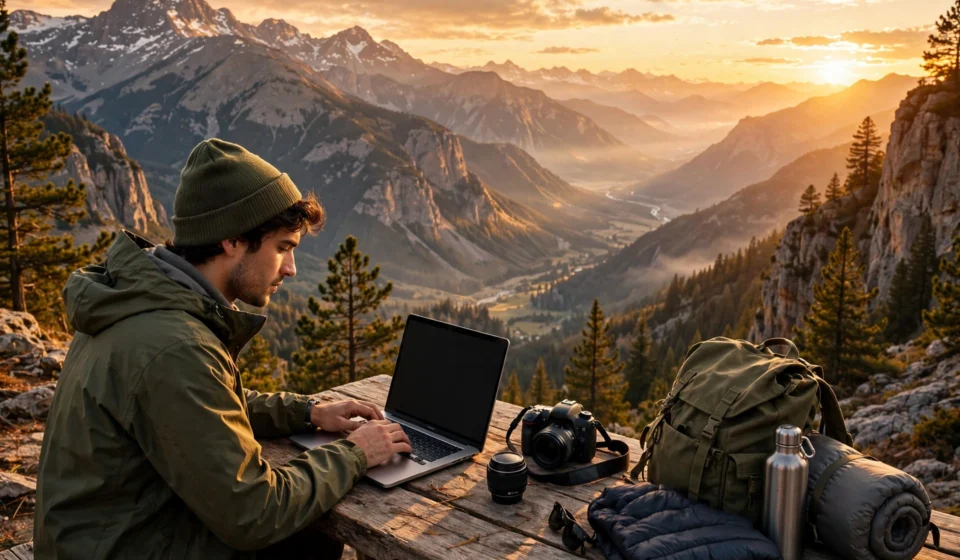

Starting a travel blog in 2026 is one of the most rewarding projects you can take on — part creative outlet, part personal diary, and, if you play it right, part business. But let’s be honest: the romantic image of “getting paid to travel” skips over the real work. Successful travel blogs are built on clear strategy, consistent publishing, and content that genuinely helps people plan their trips.
This guide walks you through exactly how to start a travel blog from zero: choosing a niche, setting up the technical side, creating content that ranks on Google, growing an audience, and eventually earning money. No fluff, no skipped steps.
1. Pick a Travel Niche (Don’t Skip This)
The biggest mistake new travel bloggers make is trying to cover “travel” in general. That market is saturated. What works in 2026 is a focused niche — a specific angle that makes your blog the obvious choice for a particular type of traveler.
Strong travel blog niche ideas include:
- Budget travel: how to see the world on $50 a day, hostel guides, cheap flight hacks
- Luxury and boutique travel: hotel reviews, first-class guides, curated itineraries
- Solo travel: safety guides, meeting people on the road, solo itineraries
- Family travel: kid-friendly destinations, traveling with toddlers, multigenerational trips
- Adventure travel: hiking, diving, skiing, and outdoor expedition guides
- Food travel: street food tours, restaurant guides, culinary destinations
- Slow travel and digital nomad life: month-long stays, remote work visas, coliving
- One region, done deeply: Japan, the Balkans, Southeast Asia, or your own home country
Pick something you can write about for years without getting bored. Your niche should sit at the intersection of what you love, what you know, and what people are actively searching for on Google.
2. Choose Your Blogging Platform
Your platform is the foundation of everything, so choose with the long game in mind. The two realistic options for a serious travel blog are a self-hosted WordPress site (WordPress.org with your own hosting) or a hosted platform like WordPress.com, Squarespace, or Wix.
Self-hosted WordPress is the choice of most professional travel bloggers because you own everything: the domain, the content, the design, and the revenue. It costs a few dollars a month for hosting, but you get full control over SEO, advertising, and customization. Hosted platforms are easier to start but limit how you can monetize and customize as you grow.
If you’re researching every option before you commit — including lesser-known names you’ve come across — read our practical breakdown of how to start a blog on UploadBlog.com, which explains what that site actually offers so you don’t sign up for something expecting the wrong thing.
3. Pick a Domain Name and Hosting
Your domain name is your brand. Keep it short, easy to spell, and easy to say out loud. Avoid hyphens, numbers, and clever spellings that people will get wrong. A .com domain is still the gold standard for trust, though country-specific extensions work if your niche is regional.
Brainstorm 10–15 ideas, then check availability with any domain registrar. Don’t overthink this step — plenty of successful blogs launched with an imperfect name. What matters is the content behind it.
For hosting, any reputable shared host works at the start; you can upgrade later as traffic grows. Look for one-click WordPress installation, free SSL (the padlock in the browser), and daily backups. The whole technical setup — domain, hosting, WordPress installed — can genuinely be done in under an hour.
4. Design a Clean, Fast, Mobile-First Blog
Over half of travel searches happen on phones, often mid-trip with a shaky connection. Your blog must load fast and look great on mobile. Choose a lightweight, responsive theme and resist the urge to clutter it with widgets, pop-ups, and auto-playing video.
Every travel blog needs these core pages from day one:
- About page: who you are, why you travel, and why readers should trust your advice
- Start Here page: your best content organized for new visitors
- Contact page: a simple form or email address for readers and brands
- Privacy policy and disclosure: required if you run ads or affiliate links
Add a clear navigation menu with your main categories, and make your search bar easy to find. Travelers often land on one article from Google and then want to explore — make that easy.
5. Create Content That Actually Ranks
Content is where travel blogs live or die. Google rewards depth, originality, and genuine first-hand experience — which is exactly what a travel blogger has. Aim for detailed, practical posts of 1,500+ words for your main guides.
Types of Posts Every Travel Blog Needs
- Destination guides: “10 Days in Vietnam: The Perfect Itinerary” — comprehensive, practical, evergreen
- How-to posts: “How to Get from the Airport to Downtown on a Budget” — these capture high-intent searches
- Listicles: “15 Best Beaches in Portugal” — highly shareable and easy to scan
- Reviews: hotels, tours, gear — honest reviews build trust and earn affiliate income
- Digital products: sell detailed itineraries, Lightroom presets, or travel planning guides
- Freelance writing and photography: your blog becomes your portfolio for paid work
Your First 10 Posts
Before you tell anyone the blog exists, publish around ten solid posts. This gives new visitors a reason to stay and gives Google enough content to understand what your site is about. Write the posts you’d have wanted to read before your last three trips — that first-hand detail is your unfair advantage over generic content.
6. Travel Photography and Gear: Keep It Simple
You don’t need a $3,000 camera to start a travel blog in 2026. A modern smartphone takes photos good enough for 90% of blog use. What matters more is learning basic composition, shooting in good light, and editing consistently so your site has a recognizable visual style.
If you upgrade later, a lightweight mirrorless camera and one versatile zoom lens cover most travel situations. Whatever you shoot with, back up everything twice — a portable SSD plus cloud storage. Losing a trip’s worth of photos is a rite of passage you want to skip.
7. Grow Your Traffic: SEO, Social, and Email
Traffic for travel blogs comes from three main sources, and you should work on all three from the start.
Search Engine Optimization (SEO)
SEO is the long-term engine of a travel blog. Learn basic keyword research: find specific phrases travelers search (“best time to visit Marrakech,” “3-day itinerary Lisbon”) and create the best page on the internet for each one. Use descriptive titles, write genuinely useful content, and earn links by creating resources other sites want to reference. Unlike social media posts, which fade within hours, a good blog post can keep bringing readers for years — that’s the enduring strength of the blog format itself.
Social Media
Instagram, TikTok, and YouTube are discovery engines for travel content. You don’t need to be everywhere — pick one or two platforms that fit your style and post consistently. Short-form video of destinations performs especially well, and every viral clip should funnel viewers back to your in-depth blog guides.
Email List
Start collecting email subscribers from day one, even when the list is tiny. Offer a simple freebie — a packing checklist, a sample itinerary — in exchange for an email address. Your list is the only audience you truly own, immune to algorithm changes.
8. How Travel Blogs Make Money
Monetization usually kicks in after 6–12 months of consistent publishing, once traffic is growing. The main income streams for travel blogs are:
- Affiliate marketing: earn commissions recommending hotels, tours, travel insurance, and gear you genuinely use
- Display advertising: networks like Mediavine or Journey pay per thousand page views once you hit their traffic thresholds
- Sponsored content and press trips: tourism boards and brands pay for coverage — always disclose these clearly
- Digital products: sell detailed itineraries, Lightroom presets, or travel planning guides
- Freelance writing and photography: your blog becomes your portfolio for paid work
Diversify across at least two or three streams. Blogs that depend on a single income source are fragile; blogs with several are businesses.
9. Common Mistakes to Avoid
- Publishing inconsistently: one post a month won’t build momentum — aim for at least two to four quality posts monthly
- Writing for yourself instead of the reader: diary-style posts are fine occasionally, but most content should solve a reader’s problem
- Ignoring SEO basics: even great writing needs discoverable titles and structure
- Copying bigger blogs: your first-hand experience is the differentiator — lean into it
- Expecting income in month one: treat the first year as an investment, not a paycheck
- Neglecting the email list: the bloggers who regret this all say the same thing — start earlier
Frequently Asked Questions
How much does it cost to start a travel blog?
You can start for under $100 a year: roughly $10–15 for a domain and $3–10 per month for basic hosting. A premium theme and a few tools might add another $100. The real cost is your time — expect to invest hundreds of hours before the blog earns anything meaningful.
How long does it take to get traffic?
Most new blogs see meaningful Google traffic after 6–12 months of consistent publishing. Social media can bring faster spikes, but search traffic is slower and far more durable. Publishing 30–50 quality posts in your first year is a realistic foundation.
Do I need to travel full-time to run a travel blog?
No. Many successful travel bloggers work regular jobs and travel a few times a year. You can also blog deeply about your home city or region — “local expert” content often faces less competition than international destination guides.
Is it too late to start a travel blog in 2026?
No, but the bar is higher than it was in 2015. Generic content won’t cut it anymore. What still wins: genuine first-hand experience, a clear niche, practical detail, and consistent publishing. If you can deliver that, there’s still plenty of room.
Conclusion
Learning how to start a travel blog comes down to a simple sequence: pick a focused niche, set up a self-hosted site you own, publish genuinely useful first-hand content consistently, and give traffic time to compound. The bloggers who succeed aren’t necessarily the best writers or the most-traveled — they’re the ones who treat it like a long-term project and keep showing up. Pick your niche this week, get the technical setup done in a weekend, and publish your first guide. A year from now, you’ll be glad you started today.



[…] in general — makes everything else easier. If a travel niche appeals to you, our guide on how to start a travel blog walks through niche selection, content planning, and monetization in […]