


Learning how to write an article is one of the most useful skills you can build. Whether you want to start a blog, publish on an online platform, contribute to a company website, or simply share your ideas with a wider audience, a well-written article can open doors that few other skills can. The good news is that article writing is not a talent reserved for the lucky few — it is a craft, and like any craft it can be learned step by step.
Many beginners stare at a blank page and assume they need a special gift to begin. In reality, strong articles are the product of a repeatable process: choosing a clear topic, understanding your reader, planning a structure, writing a rough draft, and then editing with a cool head. This guide walks you through that entire process so you can move from a blank screen to a polished, publish-ready article with confidence.
Start With a Clear Topic and Angle
Every good article begins long before the first sentence is typed. It begins with a decision: what will this article be about, and why should anyone read it? A vague topic like “health tips” is not enough. A clear topic like “five simple morning habits that help busy parents feel more energetic” tells the reader exactly what they will get.
To find your angle, ask yourself three questions. First, who is the reader? A beginner needs simple explanations and definitions; an experienced reader wants depth and fresh insight. Second, what problem does the article solve or what curiosity does it satisfy? Articles that answer a real question perform far better than articles written around a loose theme. Third, what makes your take different? You do not need to be the world’s leading expert — a personal experience, a fresh example, or a simpler explanation is enough to make your article stand out.
Research Before You Write
Even if you know the topic well, a short research phase makes your article noticeably stronger. Check reliable sources to confirm facts, look for statistics that support your points, and read one or two well-regarded articles on the same subject to see what they covered and what they missed. Take notes as you go and save your sources — nothing damages a writer’s credibility faster than an unsupported claim. If you are new to publishing platforms, Medium’s official guide to writing online is a helpful place to learn the basics of the platform.
Plan Your Article Structure
Beginners often skip outlining because it feels like extra work, but an outline is what separates a smooth, readable article from a rambling one. A simple and proven structure works for almost every article you will ever write:
- Introduction: hook the reader, state the topic, and promise what they will learn.
- Body: break the topic into clear sections with descriptive subheadings, moving from the most important points to supporting details.
- Conclusion: summarize the key takeaways and give the reader a next step or a final thought.
Write your outline as a list of headings with two or three bullet points under each. This becomes the skeleton of your article — when you sit down to draft, you will never wonder what comes next. A solid outline also reveals problems early: if a section has nothing to say, cut or merge it before you invest time writing it.
Write a Strong Introduction
Your introduction has one job: convince the reader to keep reading. Open with something concrete — a surprising fact, a short story, a common frustration, or a question your reader has asked themselves. Then narrow down to your topic and finish with a clear promise: “In this guide, you will learn the five steps to planning, drafting, and editing an article.” Readers who know what they will gain are far more likely to stay with you to the end.
Write the First Draft Without Judging It
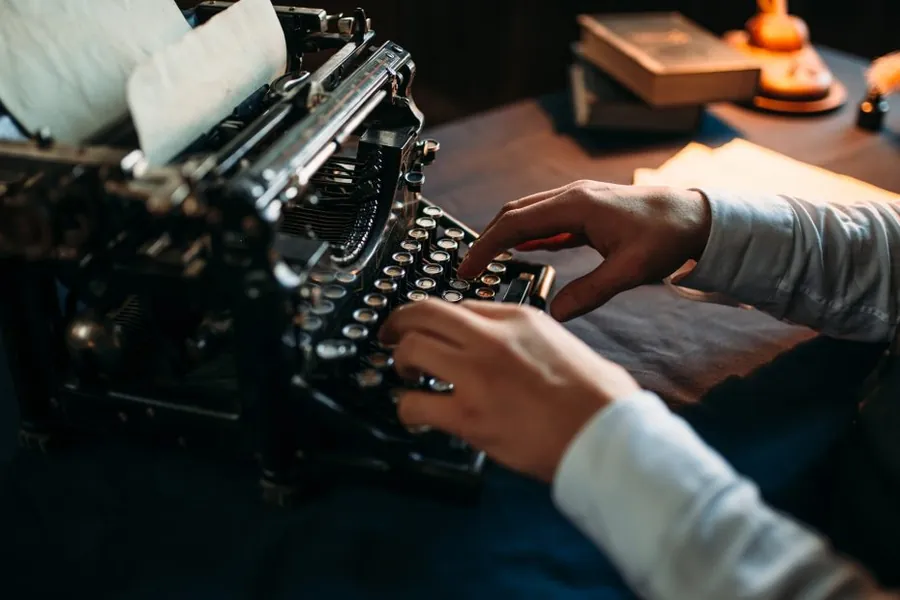
Perfectionism is the biggest obstacle beginners face. The secret to a productive first draft is to separate writing from editing. When you write the first draft, your only goal is to get words on the page. Do not fix grammar, do not reword sentences, and do not delete paragraphs — just follow your outline and keep moving forward.
Write in your own voice. Use short sentences and plain language; clarity always beats complexity. Explain terms your reader might not know, and use examples from everyday life to make abstract ideas concrete. If you get stuck on one section, skip it and write a later section — momentum matters more than perfect order at this stage.
Use Subheadings and Short Paragraphs
Most readers scan before they commit. Descriptive subheadings act like signposts that tell a scanner exactly what each section covers. Keep paragraphs to two to four sentences; long walls of text push readers away, especially on mobile screens. Bold key phrases sparingly, and use lists whenever you present steps, tips, or examples — lists are easier to read and remember than dense paragraphs.
Edit Ruthlessly, Then Edit Again
The first draft is raw material, not a finished article. Professional writers often spend as much time editing as writing, and you should too. Put the draft aside for a few hours or a full day before editing — fresh eyes catch problems you were blind to while writing.
During the first editing pass, focus on structure and clarity. Cut anything that does not serve the reader. Rearrange sections that feel out of order. Check that each paragraph makes one clear point and connects logically to the next. On the second pass, focus on language: trim wordy sentences, replace weak verbs, and fix grammar and spelling. Read the article aloud — awkward phrasing that hides on the screen becomes obvious when spoken.
Polish the Details Before Publishing
Small details signal professionalism. Write a title that clearly describes what the reader will get. Add a meta description that summarizes the article in one or two sentences. Choose a relevant featured image and add descriptive alt text. Double-check every link, and make sure quotes and statistics are attributed to their sources. Once your article is published, our SEO for Beginners guide explains how to help search engines find it.
Frequently Asked Questions
How long should an article be?
Length depends on the topic and the platform, but a useful rule of thumb is that a thorough beginner guide should be at least 1,000 words. Shorter pieces can work for simple how-tos or opinion posts. Aim for the length that fully covers the topic without padding — quality matters more than word count.
Do I need to be an expert to write an article?
No. Many successful articles are written by people who are one step ahead of their readers. What matters is accuracy, clear explanation, and a genuine desire to help. If you are covering unfamiliar ground, research carefully and cite reliable sources.
How do I come up with article ideas?
Listen to the questions people ask you, watch for problems you solve in your daily work, and note what interests you personally. Keyword research tools can show you what readers are actively searching for, which is a reliable way to find topics with a built-in audience.
How long does it take to write an article?
A beginner can typically plan, draft, and edit a 1,000-word article in four to six hours spread over a few days. As the process becomes familiar, many writers complete a full article in two to three hours. Speed improves with practice, but never rush the editing stage.
Should I write for a blog or a platform like Medium?
Both are valid starting points. A personal blog gives you full control and ownership of your work, while established platforms offer a built-in audience and simpler setup. Many writers begin on a platform to build confidence and move to their own blog as they grow.
Writing a great article is a skill that rewards practice more than talent. Choose a clear topic, plan your structure, draft without fear, and edit with discipline — and your tenth article will be noticeably better than your first. The blank page is not your enemy; it is an invitation. Start writing today, and let each article teach you something the next one will use.



[…] is what gives optimization something to work with. If you are still building the writing habit, our step-by-step guide to writing an article pairs perfectly with what you have learned […]